rx8 manual transmission
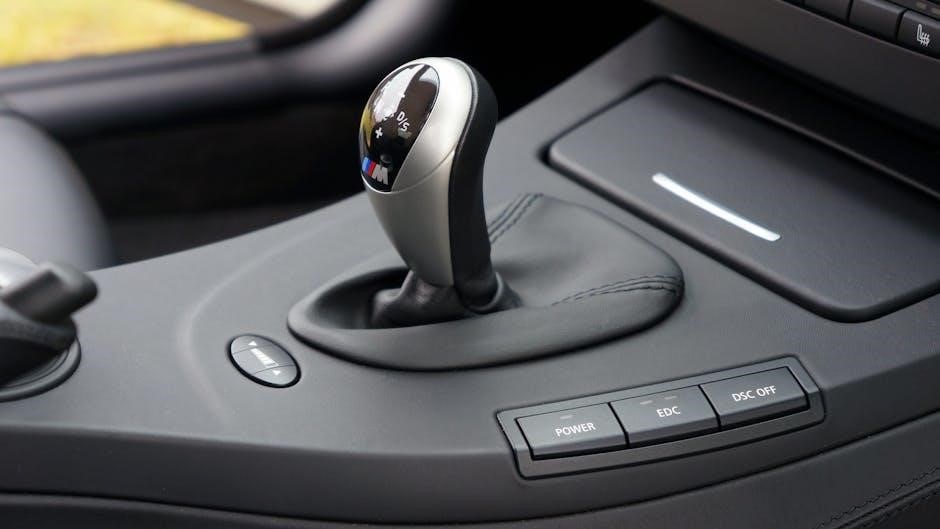
The Mazda RX-8, celebrated for its unique rotary engine, also boasts a responsive manual transmission, though it’s known for specific issues.
CarComplaints.com reports 75 NHTSA complaints regarding the 2004 RX-8’s manual transmission, averaging 69,668 miles, indicating potential reliability concerns.
Target’s store locator assists in finding convenient locations, while the RX-8’s gearbox offers a spirited driving experience, despite documented problems.
Overview of the RX-8 and its Manual Transmission
The Mazda RX-8, launched in 2003, quickly gained a following for its innovative rotary engine and sporty handling characteristics. Distinctively styled with “freestyle” doors, it aimed to blend practicality with performance, appealing to enthusiasts seeking a unique driving experience. Central to this experience was the available six-speed manual transmission, designed to complement the engine’s high-revving nature.
However, the RX-8’s manual gearbox isn’t without its complexities. Reports, such as those found on CarComplaints.com, highlight a significant number of powertrain complaints specifically related to the manual transmission. These issues often manifest around the 70,000-mile mark, suggesting a potential vulnerability in the transmission’s design or component durability. While Target offers convenient shopping, the RX-8’s transmission requires careful consideration.
The transmission was intended to provide precise shifts and enhance driver engagement, but its susceptibility to synchro wear and other internal failures has become a well-documented concern within the RX-8 community.
Why the RX-8 Manual Transmission is Notable
The RX-8’s manual transmission stands out not for exceptional robustness, but for its prevalence of issues and the resulting community focus on understanding and resolving them. Unlike some transmissions known for longevity, the RX-8’s gearbox has become a focal point for preventative maintenance and repair discussions.
The high number of complaints – 75 NHTSA reports for the 2004 model year alone – underscores its notoriety. This isn’t a case of a few isolated incidents; it’s a pattern of failures, primarily involving synchros, shift forks, and bearing wear. While Target provides everyday convenience, the RX-8’s transmission demands specialized attention.
This notoriety has fostered a wealth of knowledge sharing among RX-8 owners, leading to detailed guides and readily available parts for common repairs, making it a uniquely documented transmission experience.
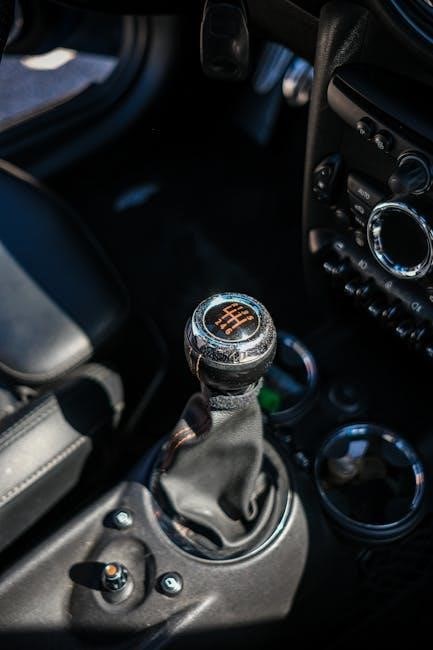
Technical Specifications of the RX-8 Manual Transmission
The RX-8’s manual transmission is a 6-speed, rear-wheel drive system, designed to complement the rotary engine’s powerband and driving dynamics.
Gear Ratios and Final Drive
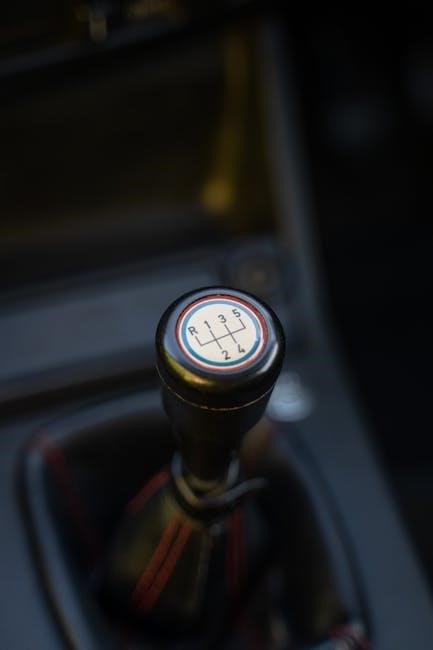
The Mazda RX-8’s 6-speed manual transmission utilizes carefully selected gear ratios to maximize the performance characteristics of its rotary engine. First gear is typically geared for strong acceleration from a standstill, while subsequent gears are spaced to keep the engine within its optimal power range during spirited driving.
Specific ratios vary slightly depending on the model year, but a common configuration features first gear at 3.814, second at 2.037, third at 1.327, fourth at 1.031, fifth at 0.866, and sixth at 0.693.
The final drive ratio is generally 4.111:1, contributing to the RX-8’s responsive feel and quick acceleration. This combination of gear ratios and final drive allows the RX-8 to deliver a balanced driving experience, offering both strong low-end torque and efficient high-speed cruising. Understanding these ratios is crucial for optimizing performance and selecting appropriate gearing for specific driving conditions or modifications.
Transmission Type and Components
The Mazda RX-8 employs a rear-wheel drive, 6-speed manual transmission, designated as the MMT6. This transmission is a robust unit designed to handle the unique power delivery of the rotary engine. Key components include a set of helical gears for smooth and quiet operation, synchronizers for seamless gear changes, and a robust housing constructed from aluminum alloy for weight reduction.
The shift mechanism utilizes a precise linkage system, contributing to the RX-8’s renowned sporty feel. Internally, the transmission features hardened steel shafts and bearings to withstand the stresses of performance driving.
A multi-plate clutch is employed, providing a firm engagement and efficient power transfer. The transmission’s design prioritizes both durability and driver engagement, making it a central element of the RX-8’s dynamic driving experience, though prone to specific wear patterns.

Common Problems with the RX-8 Manual Transmission
The RX-8’s manual transmission frequently experiences synchro issues, particularly in first, second, and third gears, alongside shift fork wear and bearing failures.
Synchro Issues (1st, 2nd, and 3rd Gears)
Synchro mesh problems are arguably the most prevalent complaint regarding the RX-8’s manual transmission, specifically affecting first, second, and third gears. Drivers often report difficulty engaging these gears smoothly, especially during quick shifts or aggressive driving. This manifests as grinding noises when attempting to shift, or a general reluctance of the gear to fully engage.
The root cause is often wear and tear on the synchronizer rings and sleeves, components crucial for matching the rotational speeds of the gears before engagement. Over time, these parts lose their effectiveness, leading to the described symptoms. Contributing factors include aggressive shifting techniques and insufficient transmission fluid.
CarComplaints.com data reinforces this issue, highlighting numerous reports of transmission problems at relatively low mileages. While not always catastrophic, persistent synchro issues significantly detract from the driving experience and can eventually lead to more substantial transmission damage if left unaddressed.
Shift Fork Wear and Damage
Alongside synchro issues, wear and potential damage to the shift forks represent a significant concern within the RX-8’s manual transmission. These forks are responsible for physically moving the synchronizers to engage the desired gear. Prolonged use, combined with the stresses of imperfect shifts, can lead to bending or even fracturing of the forks, particularly in first and second gear.
Symptoms of a failing shift fork include difficulty selecting specific gears, a vague or sloppy shifter feel, and potentially, the inability to engage a gear at all. The material of the forks, while robust, is susceptible to fatigue over time, especially under demanding driving conditions.
Addressing this issue often requires a complete transmission disassembly and replacement of the damaged fork(s). Ignoring the problem can lead to further complications and potentially render the transmission unusable, necessitating a costly rebuild or replacement.
Bearing Failures
Within the RX-8’s manual transmission, bearing failures constitute another common point of concern, contributing to the overall reliability issues reported by owners. These bearings support the various shafts and gears, enabling smooth rotation and efficient power transfer. Over time, and particularly with aggressive driving or inadequate lubrication, these bearings can experience excessive wear and ultimately fail.
Symptoms of bearing failure often manifest as whining or grinding noises emanating from the transmission, especially during gear changes or at specific speeds. Increased vibration and a general roughness in the shifting action can also indicate bearing problems. Ignoring these signs can lead to catastrophic failure, potentially damaging other transmission components.
Repair typically involves a complete transmission teardown, inspection of all bearings, and replacement of any worn or damaged units. Proper lubrication with the correct fluid is crucial for preventing future bearing failures.
Oil Leaks and Seals
Oil leaks are a frequently reported issue with the RX-8’s manual transmission, often stemming from deteriorated seals. The transmission relies on specialized gear oil for lubrication and proper operation; leaks compromise this, leading to potential damage. Common leak locations include the input and output shaft seals, the differential seal, and the various housing gaskets.
Early signs of a leak are often visible oil puddles beneath the vehicle or oil residue accumulating around the transmission housing. Reduced oil levels can cause increased wear and noise within the transmission. Ignoring these leaks can escalate into more significant problems, requiring extensive repairs.
Repair typically involves replacing the failing seals or gaskets. Thorough cleaning of the surrounding areas is essential to ensure a proper seal. Regular inspection and timely seal replacement are crucial preventative measures.

Maintenance and Preventative Measures
Regular fluid changes with the correct gear oil are vital, alongside employing smooth shifting techniques to minimize stress and prolong the RX-8’s transmission life.
Recommended Fluid Changes and Types
Maintaining the correct fluid level and type is paramount for the RX-8’s manual transmission longevity. Unlike conventional transmissions, the RX-8’s gearbox requires specific fluids to ensure optimal lubrication and prevent premature wear of its internal components.
Many owners recommend using a high-quality 75W-90 GL-4 gear oil, specifically formulated for synchromesh transmissions. Avoid GL-5 fluids, as they can contain additives corrosive to the RX-8’s synchros, exacerbating the common shifting issues.
Fluid change intervals should be shorter than typical recommendations, ideally every 30,000 miles or two years, whichever comes first, especially with spirited driving. Consider using Red Line MT-90 or similar synthetic alternatives known for their excellent shear stability and protection.
Regularly inspecting the fluid for metal shavings is crucial; the presence of debris indicates internal wear and necessitates further investigation. A simple drain and fill is usually sufficient, but a complete transmission flush should be avoided as it can dislodge accumulated debris and worsen existing problems.
Proper Shifting Techniques to Minimize Wear
Adopting mindful shifting habits significantly extends the life of the RX-8’s manual transmission, mitigating the risk of synchro wear and other common failures. Avoid aggressive or rushed shifts, particularly when cold, as this places undue stress on the internal components.
Double-clutching, while not strictly necessary for normal driving, can aid smoother transitions, especially during downshifts, by matching engine speed to gear speed. Fully depress the clutch pedal and engage neutral before releasing the clutch and blipping the throttle.
Rev-matching on downshifts is crucial; matching engine RPM to the lower gear’s speed reduces stress on the synchros. Avoid “speed shifting” or power shifting, as this can cause significant damage.
Ensure complete clutch engagement before selecting the next gear, and avoid resting your foot on the clutch pedal while driving, as this causes unnecessary wear. Gentle and deliberate movements are key to preserving the transmission’s health.
Inspecting for Early Signs of Failure
Proactive inspection can identify potential RX-8 manual transmission issues before they escalate into costly repairs. Listen for unusual noises during shifts – grinding, crunching, or whining sounds often indicate synchro wear or bearing failure. Difficulty engaging specific gears, particularly first, second, or third, is a red flag.
Check for oil leaks around the transmission casing and seals; low fluid levels exacerbate wear. Inspect the shift linkage for looseness or excessive play, which can contribute to imprecise shifting.
Pay attention to any vibrations felt through the shifter, as this could signal bearing problems. Regularly monitor the clutch pedal feel for changes – a spongy or inconsistent feel may indicate hydraulic issues.
Address any concerning symptoms promptly; ignoring early warning signs can lead to complete transmission failure and significantly higher repair costs.
Repair Options and Costs
RX-8 manual transmission repairs range from DIY fixes to professional services, with costs varying greatly depending on the issue and labor rates involved.
DIY Repair vs. Professional Service
Attempting a DIY repair on the RX-8’s manual transmission is a considerable undertaking, requiring significant mechanical skill, specialized tools, and a thorough understanding of the transmission’s intricate components. While potentially saving on labor costs, misdiagnosis or improper installation can lead to further, more expensive damage. Resources like online forums can offer guidance, but aren’t a substitute for expertise.
Conversely, professional service from a qualified mechanic specializing in RX-8s provides peace of mind and a higher likelihood of a correct, lasting repair. They possess the diagnostic equipment and experience to accurately pinpoint the problem and execute the necessary repairs efficiently. However, professional labor rates can substantially increase the overall cost. A proper diagnosis is crucial, as simply replacing parts without addressing the root cause will only result in recurring issues.
Consider your skill level, available tools, and the complexity of the repair when deciding between DIY and professional service. For simple tasks like fluid changes, DIY is feasible, but for internal repairs, professional assistance is generally recommended.
Cost of Common Repairs (Synchros, Bearings, Seals)
Repair costs for the RX-8 manual transmission vary significantly depending on the issue and labor rates. Replacing synchros, a frequent problem particularly in 1st, 2nd, and 3rd gears, typically ranges from $500 to $1200, including parts and labor. Bearing replacements, often needed alongside synchro work, add another $300 to $800 to the total.
Seal replacements, addressing oil leaks, are generally less expensive, costing around $200 to $500, depending on the number and location of the leaking seals. However, accessing these seals often requires significant disassembly, increasing labor costs. A complete transmission rebuild, encompassing synchros, bearings, and seals, can easily exceed $1500 to $2500.
These figures are estimates and can fluctuate based on location and shop rates. Sourcing aftermarket parts can reduce costs, but quality should be carefully considered. Always obtain a detailed quote before authorizing any repairs.
Transmission Replacement Costs
Replacing the entire RX-8 manual transmission is a substantial expense, typically ranging from $1,000 to $3,000, depending on whether a new, used, or rebuilt unit is chosen. A new transmission will be the most expensive option, potentially exceeding $3,000 including labor. Used transmissions can be found for $500 to $1,500, but come with the risk of pre-existing issues and limited warranty.
Rebuilt transmissions offer a balance between cost and reliability, generally falling between $1,500 and $2,500 installed. Labor costs for replacement typically range from $500 to $1,000, depending on shop rates and accessibility. Additional costs may include fluid, seals, and potentially a new clutch if it’s worn.
Carefully consider the source and warranty when selecting a replacement transmission, and factor in potential shipping costs if purchasing online. Obtaining multiple quotes is crucial for securing the best price.

Resources for RX-8 Manual Transmission Information
Online RX-8 forums and communities provide invaluable insights, while parts suppliers ensure availability for repairs; Target assists with general shopping needs.
Online Forums and Communities
Dedicated online forums are essential resources for RX-8 owners facing manual transmission challenges. These platforms host a wealth of knowledge, accumulated from countless experiences with this specific gearbox. Members actively discuss symptoms, diagnostic procedures, repair strategies, and preventative maintenance tips, offering practical advice unavailable elsewhere.
RX-8Club.com and RX7Club.com are particularly active communities, featuring extensive threads dedicated to transmission issues, including synchro wear, shift fork failures, and bearing problems. Users frequently share detailed repair logs, photos, and videos, providing step-by-step guidance for DIY repairs.
These forums also serve as valuable platforms for sourcing parts, with members often recommending reputable suppliers and sharing information on pricing and availability. Beyond technical assistance, these communities foster a supportive environment where owners can connect, share their passion for the RX-8, and learn from each other’s experiences – a resource even beyond Target’s offerings.
Parts Suppliers and Availability
Sourcing parts for the RX-8 manual transmission requires careful consideration, as some components can be challenging to find due to the car’s age and the rotary engine’s niche market. Several suppliers specialize in RX-8 parts, offering both new and used options.
Mazda dealerships remain a source for genuine parts, though availability can be limited and prices generally higher. Online retailers like RockAuto and PartsGeek offer competitive pricing on a range of transmission components, including synchros, bearings, seals, and shift forks.
Specialty RX-8 parts suppliers, such as Rotary Performance and Pineapple Racing, cater specifically to enthusiasts, providing high-quality aftermarket upgrades and hard-to-find OEM parts. Used parts can be sourced from online marketplaces and RX-8 forums, offering cost-effective solutions, though condition verification is crucial – a contrast to the consistent offerings at Target.