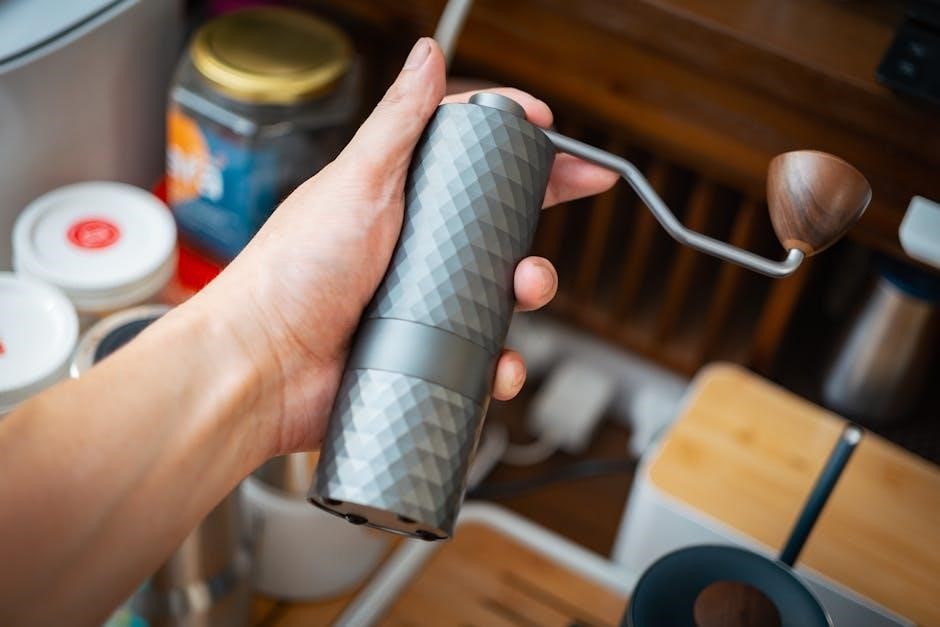
manual or electric coffee grinder
Choosing between manual and electric coffee grinders impacts flavor and convenience. Experts highlight the ritualistic appeal of manual grinding versus the speed of electric options.
Ultimately, the best choice depends on individual preferences and brewing habits, balancing control with ease of use for optimal coffee enjoyment.
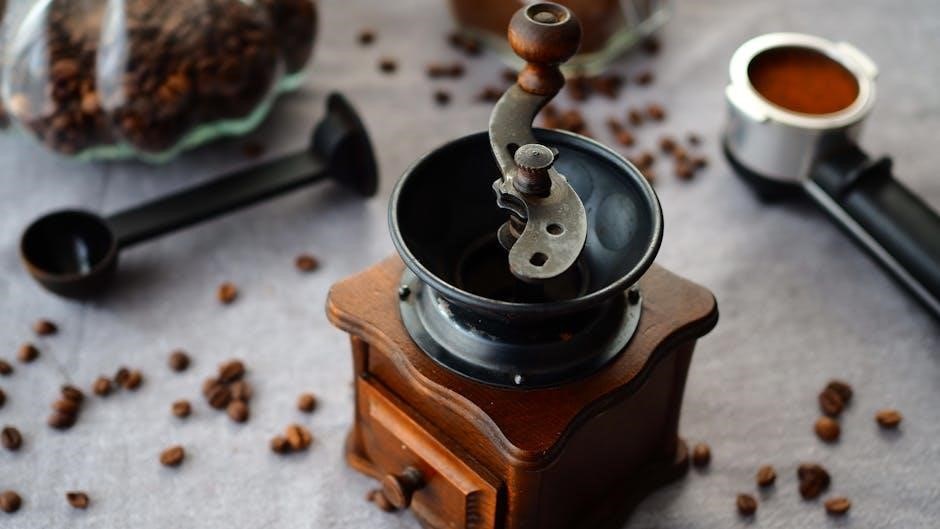
The Importance of Grind Quality
Consistent grind size is paramount for optimal coffee extraction, influencing the final brew’s flavor profile. Uneven grinds lead to both under-extraction – resulting in sour, weak coffee – and over-extraction, producing bitter, harsh tastes.
Burr grinders, whether manual or electric, generally excel at producing a uniform grind compared to blade grinders. Manual grinders offer control, allowing enthusiasts to fine-tune the grind for specific brewing methods. However, electric burr grinders provide consistency and speed, especially for larger batches.
Heat generated during grinding, particularly in some electric models, can negatively impact volatile aromatic compounds, diminishing the coffee’s nuanced flavors. Therefore, prioritizing grind quality is crucial for unlocking the full potential of your coffee beans, regardless of the grinder type chosen;
Brief Overview of Manual vs. Electric
Manual coffee grinders are hand-powered, relying on physical effort to crush beans between burrs or blades. They are often favored for their portability, quiet operation, and durability, offering a tactile, involved brewing experience. Initial costs are typically lower, but require more user effort.
Electric grinders utilize an electric motor to automate the grinding process. They come in two primary types: burr and blade. Burr grinders provide a more consistent grind, while blade grinders chop the beans unevenly. Electric models prioritize convenience and speed, especially for larger quantities, but can be more expensive.
The choice hinges on balancing convenience with control, and budget with brewing preferences. Manual grinders suit those valuing ritual and portability, while electric grinders cater to speed and consistency.
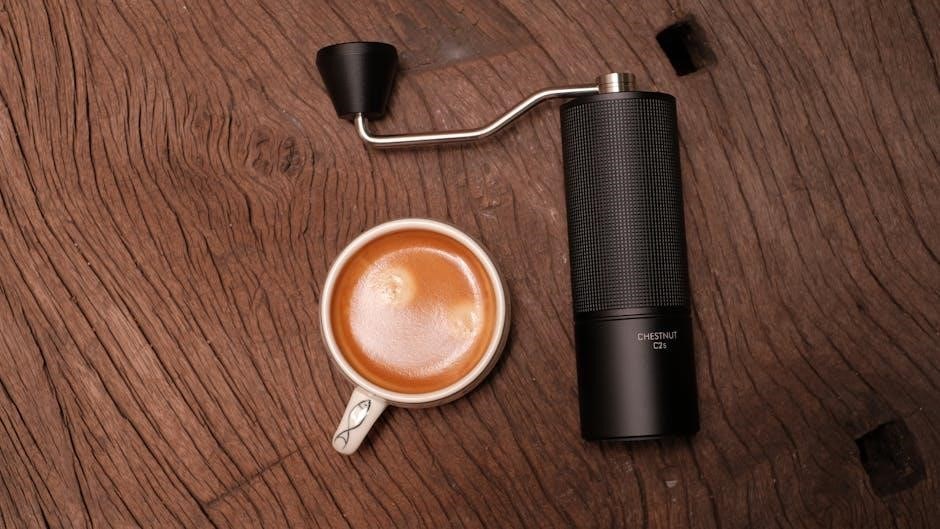
Manual Coffee Grinders: A Deep Dive
Manual grinders offer mastery over the process, providing a hands-on experience and consistent results, often outlasting electric counterparts due to their simple design.
Mechanism and Operation of Manual Grinders
Manual coffee grinders typically employ a hand-crank mechanism to rotate burrs – either conical or flat – that crush coffee beans between them. The user physically turns the crank, controlling the speed and duration of the grinding process. This direct control is a key feature, allowing for adjustments based on feel and desired grind size.
Unlike electric grinders, there’s no motor driving the process; it’s purely manual effort. The beans are fed into a hopper, and as the crank is turned, they are drawn down towards the burrs. The resulting ground coffee then collects in a chamber below. The fineness of the grind is often adjusted by changing the distance between the burrs, typically via a stepped or stepless adjustment mechanism.
This simplicity translates to fewer parts and a more intuitive operation, appealing to coffee enthusiasts who enjoy the ritualistic aspect of coffee preparation.
Pros of Using a Manual Coffee Grinder
Manual coffee grinders offer several distinct advantages for the discerning coffee drinker. A primary benefit is their exceptional durability and longevity, often outlasting electric counterparts due to fewer mechanical components. This robustness translates to a longer-lasting investment, avoiding frequent replacements.
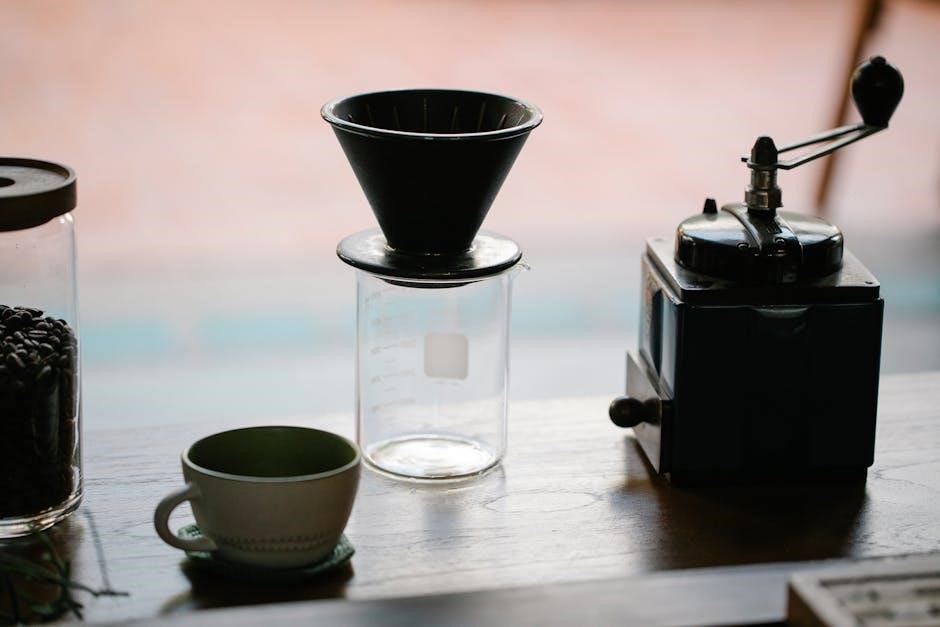
Furthermore, manual grinders provide unparalleled control over grind size, allowing users to fine-tune the consistency for their specific brewing method. This precision is crucial for optimal extraction and flavor. They are also remarkably portable, ideal for travel or outdoor adventures, and operate very quietly, avoiding the noise associated with electric models.
The hands-on experience is also a significant draw, fostering a deeper connection to the coffee-making process.
Durability and Longevity
Manual coffee grinders consistently demonstrate superior durability compared to many electric models. Their simpler mechanical design, with fewer parts susceptible to failure, contributes to a significantly longer lifespan. Experts note that a well-maintained manual grinder can last for years, even decades, providing consistent performance.
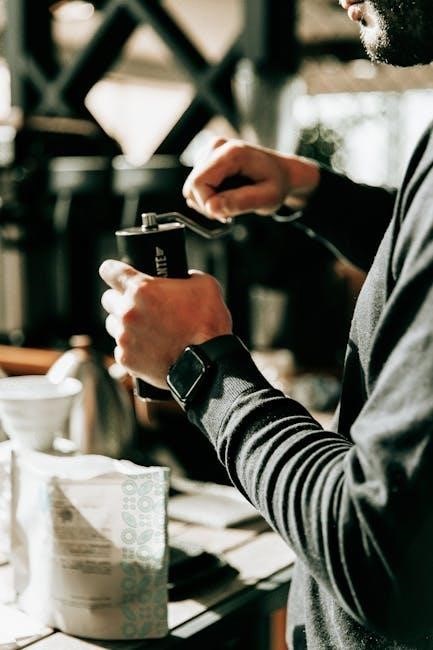
This longevity stems from the absence of motors and complex electronic components prone to wear and tear. Electric grinders, particularly blade grinders, often require replacement sooner due to motor burnout or blade dulling. Investing in a manual grinder often proves more cost-effective in the long run, avoiding the recurring expense of electric grinder replacements.
The robust construction ensures lasting value and reliability.
Control Over Grind Size
Manual coffee grinders offer unparalleled control over grind size, a critical factor influencing coffee extraction and flavor. The tactile feedback allows users to precisely adjust the grind, responding to subtle changes and achieving optimal results for various brewing methods. This level of control is often lacking in electric grinders, especially blade models.
Experienced coffee enthusiasts appreciate the ability to fine-tune the grind, experimenting to unlock the full potential of their beans. While burr electric grinders offer adjustments, manual grinders provide a more intuitive and granular experience. This mastery over the grinding process translates directly into a more refined and customized cup of coffee.
The user dictates the consistency, not a pre-set mechanism.
Portability and Quiet Operation
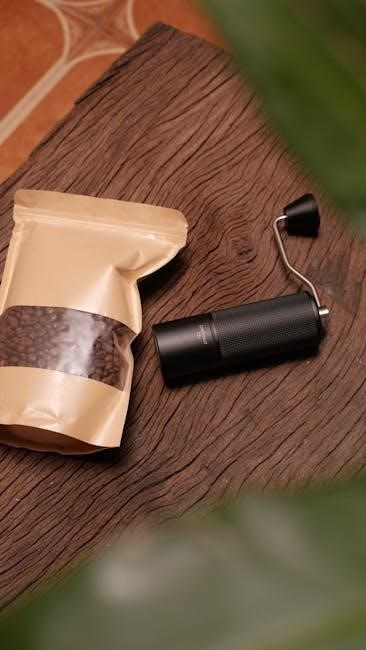
Manual coffee grinders excel in portability and quiet operation, making them ideal for travel, camping, or environments where noise is a concern. Unlike electric grinders, they require no power source, offering freedom and flexibility. Their compact size and lightweight design further enhance their portability, easily fitting into a backpack or travel bag.
The absence of a motor also means significantly reduced noise levels. Electric grinders, even burr models, can produce a considerable whirring sound, potentially disturbing others. Manual grinding is a remarkably quiet process, allowing for a peaceful and contemplative coffee preparation experience. This makes them perfect for early mornings or shared living spaces.
Enjoy coffee anywhere, anytime, without disruption;
Electric Coffee Grinders: A Comprehensive Look
Electric grinders offer convenience and speed, simplifying the coffee preparation process. They range from blade to burr grinders, catering to diverse budgets and coffee preferences.
Types of Electric Grinders (Burr vs. Blade)
Electric coffee grinders primarily fall into two categories: burr and blade. Blade grinders, the more affordable option, utilize a spinning blade similar to a food processor to chop the beans. However, this method produces inconsistent grind sizes, impacting flavor extraction and potentially generating heat.
Burr grinders, conversely, employ two revolving abrasive surfaces (burrs) to crush the beans uniformly. This results in a more consistent grind, crucial for optimal brewing. Burr grinders are further categorized into flat burr and conical burr, each offering slightly different grind characteristics. Flat burrs generally produce a more uniform grind, while conical burrs are quieter and retain less heat. Investing in a burr grinder is often recommended for serious coffee enthusiasts seeking superior flavor and control.
Advantages of Electric Coffee Grinders
Electric coffee grinders offer significant advantages in convenience and speed. They eliminate the physical effort required by manual grinders, making them ideal for those who value efficiency, especially when preparing larger batches. Experts note electric grinders justify their cost through this ease of use.
Burr grinders, in particular, excel at consistency in grind size, leading to more balanced and flavorful coffee. This precision is difficult to achieve consistently with manual methods. Furthermore, electric grinders can handle larger volumes of beans quickly, catering to households or offices with higher coffee consumption. They are a practical choice for those prioritizing speed and consistent results.
Convenience and Speed
Electric grinders undeniably champion convenience and speed in coffee preparation. Unlike manual grinders demanding physical exertion, electric models deliver grounds with minimal effort, a boon for busy mornings or larger households. Sources emphasize this as a key justification for the higher investment.
The time saved is substantial, particularly when compared to the hand-grinding process. This efficiency allows for quicker brewing and enjoyment of coffee. For those who prioritize ease and rapid results, electric grinders present a clear advantage, streamlining the coffee-making ritual and fitting seamlessly into fast-paced lifestyles.
Consistency in Grind Size (Burr Grinders)
Burr grinders, particularly electric ones, excel at delivering remarkably consistent grind sizes. This uniformity is crucial for optimal extraction, ensuring balanced flavor profiles in your brewed coffee. Unlike blade grinders which chop beans unevenly, burr grinders crush them between two revolving abrasive surfaces.
This precision minimizes fines and boulders, leading to a cleaner, more nuanced cup. Experts note that inconsistent grinds can result in bitter or sour tastes. While high-quality manual burr grinders can achieve good consistency, electric burr grinders generally offer a more effortless and reliable outcome, especially for frequent brewing.
Capacity for Larger Batches
Electric coffee grinders demonstrably outperform manual grinders when it comes to processing larger quantities of beans. This is a significant advantage for households with multiple coffee drinkers or those who frequently brew for guests. Manual grinders, requiring physical effort for each batch, become cumbersome and time-consuming with increased volume.
Electric grinders, with their powered operation, can handle substantial bean loads efficiently. This capability is particularly valuable for preparing coffee for larger gatherings or for those who prefer to pre-grind beans for the week. While some manual grinders offer larger hoppers, the grinding process itself remains labor-intensive compared to the convenience of an electric model.
Heat Generation and Grind Quality
Electric grinders can generate heat during operation, potentially impacting coffee flavor. Manual grinders avoid this issue, offering a cooler grind and preserving delicate aromas.
How Electric Grinders Can Generate Heat
Electric coffee grinders, particularly blade grinders, produce heat due to the high-speed friction of the blades against the coffee beans. This rapid motion generates thermal energy as the beans are chopped and pulverized. Even burr grinders, while generally better at preserving flavor, can experience some heat build-up, especially during longer grinding sessions or with certain grinder designs.
The speed at which electric grinders operate is a primary contributor to heat generation. Faster speeds mean more friction and, consequently, more heat. This is in contrast to manual grinders, where the user controls the speed and force, resulting in significantly less heat production. The material of the burrs or blades, and the grinder’s ventilation system, also play a role in managing heat levels.
Impact of Heat on Coffee Flavor
Heat exposure during grinding negatively impacts coffee flavor by initiating oxidation and the release of volatile aromatic compounds. These compounds are crucial for coffee’s nuanced taste and aroma; heat causes them to evaporate, resulting in a duller, less vibrant cup. Excessive heat can also “bake” the coffee grounds, leading to a bitter or burnt taste.
The concern is particularly relevant with electric grinders, where the speed and friction can generate significant heat. Manual grinders, with their slower, user-controlled operation, minimize this risk. Maintaining lower temperatures preserves the delicate flavors inherent in the coffee beans, ensuring a more complex and enjoyable brewing experience. Therefore, minimizing heat is vital for optimal flavor extraction.
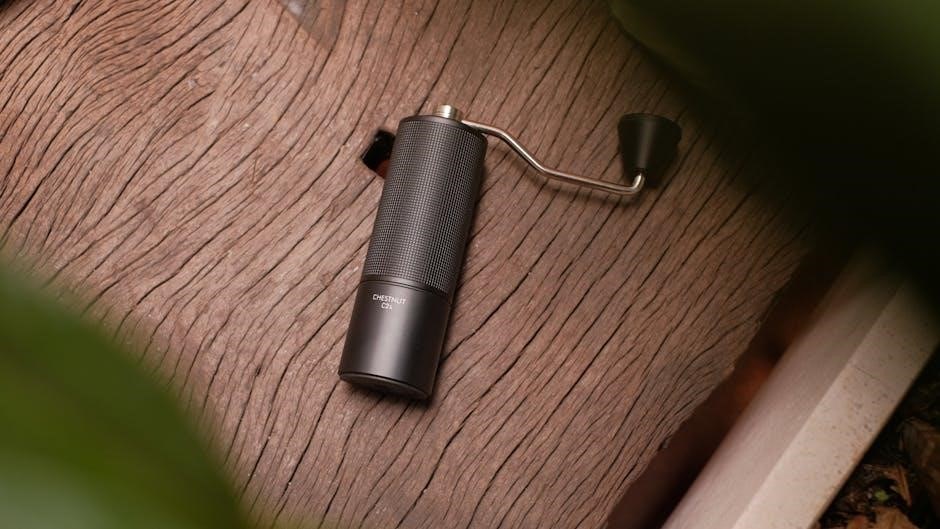
Cost Comparison: Manual vs. Electric
Initial costs for manual grinders are typically lower, but high-quality electric burr grinders require a larger investment. Long-term, durability can balance expenses.
Initial Investment Costs
Manual coffee grinders generally present a lower barrier to entry regarding initial costs. A decent hand grinder can be acquired for as little as $30, with high-quality options ranging from $80 to $200. This affordability makes them attractive for beginners or those on a budget.
Electric grinders, however, typically demand a more substantial upfront investment. Basic blade grinders are available for around $20-$50, but these are often discouraged due to inconsistent grind quality. Burr grinders, which provide superior results, start around $100 and can easily exceed $300 for advanced models with more features.
Therefore, while a functional manual grinder is readily accessible for a modest sum, achieving comparable quality with an electric grinder necessitates a larger initial financial commitment.
Long-Term Cost Considerations
Manual grinders boast exceptional durability, often outlasting electric counterparts. With fewer moving parts, they require minimal maintenance and are less prone to breakdowns, translating to lower long-term costs. Replacement parts, when needed, are typically inexpensive and readily available.
Electric grinders, while convenient, may incur higher long-term expenses. Blade grinders have a limited lifespan and often need replacing. Burr grinders, though more durable, can require periodic servicing or replacement of burrs, which can be costly. Electricity consumption, though minimal, also contributes to ongoing expenses.
Considering these factors, the initial savings of a basic electric grinder may be offset by eventual repair or replacement costs, making a robust manual grinder a potentially more economical choice over time.
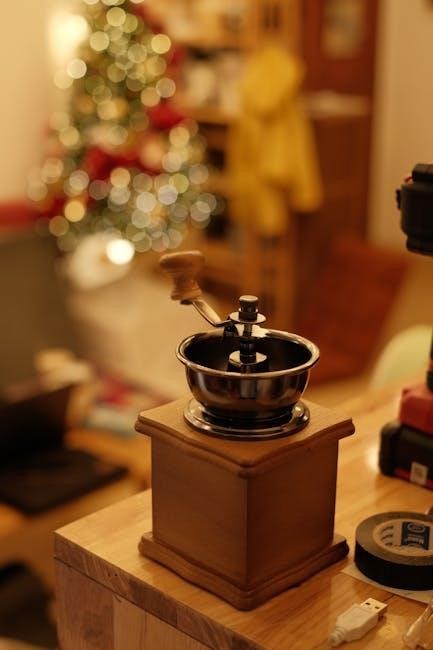
Choosing the Right Grinder for Your Needs
Selecting a grinder hinges on brewing style and consumption frequency. Manual options suit purists and smaller batches, while electric grinders prioritize convenience and larger volumes.
Considering Your Brewing Method
The ideal grinder aligns with your preferred brewing technique. For immersion methods like French press or cafetiere, a coarser, more forgiving grind is acceptable, making a manual grinder a viable, cost-effective choice. However, precision is paramount for pour-over or espresso.
Burr grinders, particularly electric ones, excel at delivering the consistent particle size crucial for these methods. The Baratza Encore, frequently mentioned, demonstrates this capability. Blade grinders, generally less expensive, produce inconsistent results unsuitable for nuanced brewing.
Ultimately, if you prioritize control and enjoy the ritual, a manual grinder can work well with various methods. But for consistent, high-quality results, especially with espresso, an electric burr grinder is generally recommended.
Frequency of Coffee Consumption
Your daily coffee intake significantly influences the best grinder choice. For occasional coffee drinkers, a manual grinder offers a budget-friendly and space-saving solution, providing a satisfying experience without a large investment. However, frequent consumption demands convenience.
Electric grinders shine when preparing multiple cups daily. They eliminate the physical effort of manual grinding, saving time and reducing strain. Logic Vending highlights the convenience justifying the higher cost.
Consider batch size too. Manual grinders are best suited for single servings or small batches, while electric grinders can handle larger quantities efficiently. If you regularly brew for a family or entertain guests, an electric grinder is the more practical option.