free indoor walking plan pdf

Article Plan: Free Indoor Walking Plan PDF
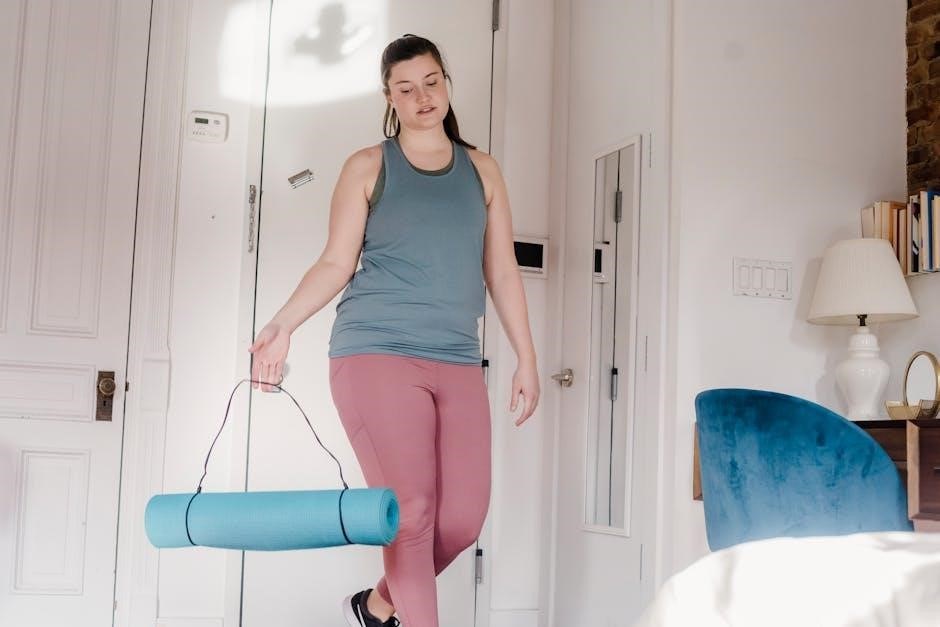
This article details a comprehensive, accessible guide to a free indoor walking plan, offering downloadable PDFs and structured routines for all fitness levels.
It covers a 28-day challenge, six-week beginner program, exercise variations, motivation tips, and additional resources to support a sustainable walking habit.
In today’s fast-paced world, prioritizing health can be challenging. Finding time for exercise often feels impossible, especially with unpredictable weather or limited access to gyms. However, maintaining an active lifestyle is crucial for both physical and mental well-being. This is where the beauty of indoor walking comes into play!
This article introduces a fantastic solution: a free indoor walking plan PDF designed to help you achieve your fitness goals from the comfort of your own home. Whether you’re a complete beginner or looking to supplement your existing routine, this plan offers a structured and adaptable approach to walking for weight loss and improved health.
We’ll explore the benefits, provide a detailed 28-day challenge, and offer resources to keep you motivated. Get ready to step into a healthier you – no outdoor space required!
What is an Indoor Walking Plan?
An indoor walking plan is a structured exercise regimen designed to be performed within the confines of your home or any indoor space. Unlike traditional outdoor walking, it eliminates weather-related limitations and gym membership costs, making fitness accessible to everyone. These plans typically involve a series of walking exercises and routines, progressively increasing in intensity and duration.
A well-designed plan, like the free PDF offered here, provides a schedule, exercise instructions, and guidance on setting realistic goals. It’s a versatile option suitable for all fitness levels, from complete beginners to those seeking a low-impact workout.
The core principle is simple: consistent walking to improve cardiovascular health, boost energy levels, and aid in weight management.
Benefits of Indoor Walking
Indoor walking offers a wealth of health benefits, making it an ideal exercise choice. It’s a low-impact activity, gentle on joints, and suitable for individuals of all ages and fitness levels. Regular indoor walking significantly improves cardiovascular health, lowering blood pressure and reducing the risk of heart disease.
Beyond physical health, it boosts mood, reduces stress, and enhances mental clarity. This free plan promotes weight loss by increasing calorie expenditure and improving metabolism. It’s a convenient way to stay active regardless of weather conditions or time constraints.
Furthermore, consistent indoor walking can increase energy levels and improve sleep quality, contributing to overall well-being.
Target Audience for this Plan
This free indoor walking plan is designed for a broad audience, particularly those seeking a beginner-friendly exercise routine. It’s perfect for individuals new to fitness or returning after a period of inactivity. The plan caters to those with limited space or who prefer exercising in the comfort of their homes.
It’s also ideal for people living in areas with inclement weather, making outdoor walking difficult or impossible. Individuals aiming for weight loss, improved cardiovascular health, or increased energy levels will find this plan beneficial.
Specifically, the six-week beginner program is tailored for those wanting a gradual introduction to walking, while the 28-day challenge offers a more structured approach.
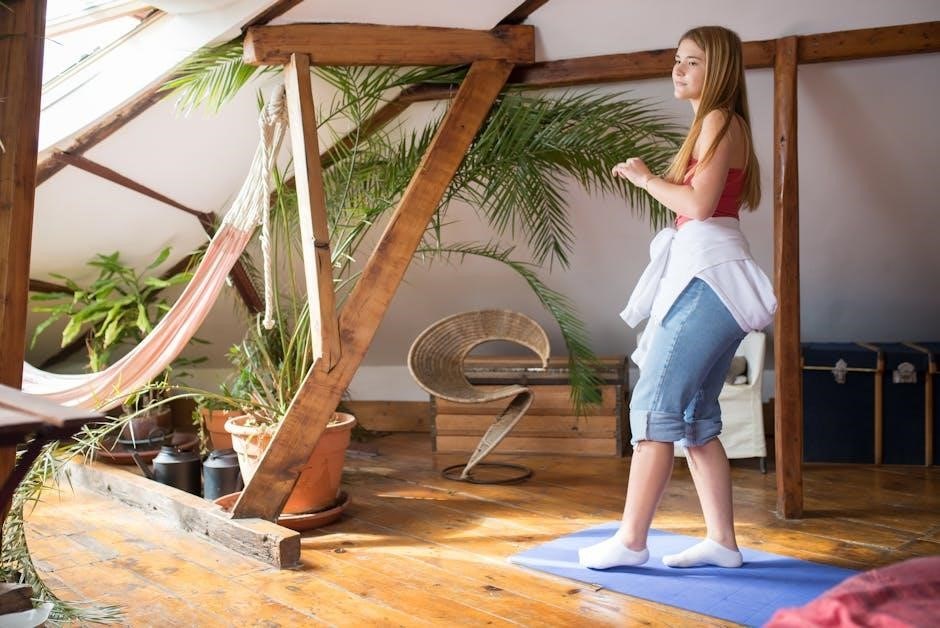
28-Day Indoor Walking Challenge Details
This challenge provides a structured, daily walking plan within your home, aiming to boost activity and support weight loss through consistent, progressive exercise.
Overview of the 28-Day Challenge
The 28-day indoor walking challenge is designed as a beginner-friendly program to integrate regular physical activity into your daily routine, regardless of weather conditions or gym access. This plan focuses on gradually increasing walking intensity and duration over four weeks, making it achievable for individuals with limited exercise experience.
Each week introduces new elements, building upon the foundation established in the previous week. The challenge incorporates five distinct indoor walking exercises – basic walking, high knees, butt kicks, side shuffles, and marching in place – to prevent monotony and engage different muscle groups.
The goal is not just weight loss, but also to cultivate a sustainable habit of regular walking, improving overall health and energy levels. Participants can expect to progress from shorter, less intense workouts to longer, more challenging sessions by the end of the 28 days.
Goal Setting for Weight Loss
Successfully utilizing this indoor walking plan for weight loss hinges on establishing realistic and measurable goals. Begin by defining your desired weight loss outcome – a specific number of pounds or a clothing size – over the 28-day challenge period. Remember that sustainable weight loss is typically around 1-2 pounds per week, so adjust expectations accordingly.
Break down your overarching goal into smaller, weekly milestones. For example, aim to increase your daily walking time by five minutes each week or to master a new walking exercise. Tracking your progress – using a journal, app, or simply noting your workouts – is crucial for maintaining motivation and identifying areas for improvement.
Combine the walking plan with mindful eating habits for optimal results. Focus on consuming a balanced diet rich in fruits, vegetables, and lean protein. Celebrate your achievements, both big and small, to reinforce positive behavior and stay committed to your weight loss journey.
Required Equipment (Minimal)
One of the greatest advantages of this indoor walking plan is its accessibility – it requires very little equipment to get started! Essentially, all you need is a safe, clear space within your home, approximately 6-8 feet long, free from obstacles. A comfortable pair of athletic shoes is highly recommended to provide adequate support and cushioning during your walks.
While not essential, a fitness tracker or pedometer can be beneficial for monitoring your steps and distance, adding an element of gamification to your routine. You might also consider using a timer or smartphone app to keep track of your walking intervals.
Resistance bands or light dumbbells are optional additions for increasing the intensity of certain exercises, but are not necessary for beginners. The focus is on utilizing your body weight and available space to achieve a fulfilling and effective workout.
The Walking Plan: Week-by-Week Breakdown
This section outlines a progressive four-week plan, gradually increasing intensity and incorporating varied exercises to maximize results and prevent plateaus during your indoor walking journey.
Week 1: Building a Foundation (Beginner)
Welcome to the first week of your indoor walking journey! This week focuses on establishing a consistent routine and building a solid foundation. Begin with short, manageable walks of 10-15 minutes each day. Focus on maintaining good posture – stand tall, engage your core, and swing your arms naturally.
Prioritize proper form over speed or distance. Incorporate the basic indoor walking exercise, concentrating on controlled movements. Listen to your body and take breaks when needed. Don’t push yourself too hard, especially if you’re new to exercise. The goal is to create a positive experience and avoid injury.
Aim for at least five walking sessions this week. Gradually increase the duration by 1-2 minutes each day if you feel comfortable. Remember, consistency is key! This week is about establishing the habit, not achieving peak performance. Celebrate small victories and enjoy the process of getting active.
Week 2: Increasing Intensity
Now that you’ve established a routine, it’s time to gently increase the intensity! This week, aim for 15-20 minute walks, building upon the foundation from Week 1. Introduce short bursts of higher intensity, like brisk walking for 30-60 seconds, followed by a minute of recovery at a normal pace.
Begin incorporating the high knee walking exercise for a few repetitions during your walks, focusing on lifting your knees towards your chest. Continue prioritizing good form and listening to your body. Don’t hesitate to modify the intensity if needed.
Aim for five to six walking sessions this week. Gradually increase the duration of brisk walking intervals as you feel stronger. Remember to warm up before each session and cool down afterward. Consistency remains crucial, and small increases will lead to noticeable improvements.
Week 3: Adding Variety
This week, we’ll shake things up to prevent boredom and challenge your muscles in new ways! Introduce side shuffle walking and butt kick walking into your routine, performing each exercise for 30-second intervals. Continue with brisk walking bursts, increasing the duration to 60-90 seconds, followed by 60 seconds of recovery.
Aim for 20-25 minute walking sessions, five to six times this week. Experiment with combining different exercises within a single workout. For example, alternate between basic walking, high knees, and side shuffles.
Focus on maintaining good posture and engaging your core throughout each exercise. Remember to listen to your body and adjust the intensity as needed. Variety keeps things interesting and helps you build overall fitness!
Week 4: Maintaining Momentum
Congratulations on reaching the final week! Now is the time to solidify your habit and build upon the progress you’ve made. Continue incorporating all five indoor walking exercises – basic walking, high knees, butt kicks, side shuffles, and marching in place – into your routines.
Aim for 25-30 minute sessions, six days a week. Challenge yourself by increasing the intensity of your brisk walking intervals, or by adding short bursts of jogging in place. Focus on maintaining a consistent pace and good form throughout each workout.
Remember to celebrate your achievements and acknowledge the positive changes you’ve experienced. This week is about establishing a sustainable routine that you can continue long after the challenge ends!

Five Indoor Walking Exercises
Discover five dynamic exercises—basic walking, high knees, butt kicks, side shuffles, and marching—to elevate your indoor walking routine and maximize your fitness gains.
Exercise 1: Basic Indoor Walking
Basic indoor walking forms the cornerstone of this plan, providing a low-impact, accessible starting point for all fitness levels. This exercise involves simply walking at a comfortable pace within your available indoor space. Focus on maintaining good posture – stand tall, engage your core, and swing your arms naturally.
Beginners should start with shorter durations, perhaps 10-15 minutes, gradually increasing the time as stamina improves. As you progress, you can incorporate slight variations, such as altering your walking speed or adding gentle inclines by walking uphill on a treadmill (if available).
Remember to wear supportive shoes and ensure a clear, safe walking path free from obstacles. This foundational exercise builds endurance and prepares your body for more challenging variations later in the plan, contributing significantly to weight loss and overall health.

Exercise 2: High Knee Walking
High knee walking is a dynamic exercise that elevates your heart rate and engages your core muscles more intensely than basic walking. To perform this exercise, walk forward while actively lifting each knee towards your chest, aiming for hip height. Maintain a brisk pace and focus on controlled movements.
This exercise strengthens your hip flexors and improves coordination. Start with shorter intervals of 30-60 seconds, followed by rest periods, gradually increasing the duration as your fitness improves. Proper form is crucial – avoid rounding your back and keep your core engaged throughout the exercise.
High knee walking is an excellent addition to the indoor walking plan, boosting calorie burn and enhancing overall cardiovascular fitness, contributing to the 28-day challenge goals.
Exercise 3: Butt Kick Walking
Butt kick walking is another effective exercise to incorporate into your indoor walking routine, focusing on hamstring engagement and cardiovascular improvement. To execute this, walk forward while actively bringing your heels up towards your glutes with each step. Maintain a consistent pace and strive for a full range of motion.
This exercise strengthens the hamstrings and improves flexibility in the lower body. Begin with short bursts of 30-60 seconds, interspersed with recovery periods, and progressively increase the duration as your stamina builds. Focus on maintaining good posture and avoiding any strain on your lower back.
Integrating butt kick walking enhances the 28-day challenge, adding variety and maximizing the benefits of your indoor walking plan.
Exercise 4: Side Shuffle Walking
Side shuffle walking is a dynamic exercise that adds a lateral movement component to your indoor walking plan, targeting different muscle groups and improving agility. To perform this, stand with your feet shoulder-width apart and shuffle sideways, leading with one foot and bringing the other foot to meet it.
Maintain a slightly bent knee position throughout the movement and keep your core engaged for stability. Alternate directions, shuffling to the right and then to the left. This exercise works the inner and outer thighs, glutes, and improves coordination.
Incorporate side shuffle walking into your routine for 30-60 second intervals, enhancing the variety and effectiveness of your 28-day indoor walking challenge.
Exercise 5: Marching in Place
Marching in place is a foundational exercise within the free indoor walking plan, perfect for warming up or cooling down, and easily adaptable for all fitness levels. To execute, lift your knees high towards your chest, as if marching, while keeping your back straight and core engaged.
Pump your arms naturally as you march, increasing the intensity and simulating a natural walking motion. Vary the speed and height of your knee lifts to challenge yourself further. This low-impact exercise improves cardiovascular health and strengthens leg muscles.
Include marching in place for 2-3 minute intervals within your 28-day challenge, or as a standalone activity when space is limited.
Six-Week Beginner Walking Plan
This plan gradually increases walking duration, starting with 10-minute sessions and progressing to over 30 minutes, building endurance and promoting consistent activity.
Week 1-2: Initial Phase
The first two weeks focus on establishing a consistent walking routine. Begin with just 10-15 minutes of walking each day, prioritizing proper form over speed or distance. This initial phase is about building a foundation and getting your body accustomed to regular movement.
Focus on basic indoor walking, maintaining a comfortable pace where you can still hold a conversation. Incorporate short rest periods as needed, especially if you’re new to exercise. Aim for at least five walking sessions per week, gradually increasing the duration by 2-3 minutes each session.
Listen to your body and don’t push yourself too hard. This phase is about creating a sustainable habit, not achieving peak performance. Celebrate small victories and focus on the positive feelings associated with movement. Remember, consistency is key during these initial weeks!
Week 3-4: Intermediate Phase
Building upon the foundation of the initial phase, weeks three and four introduce increased intensity and duration. Gradually extend your walking sessions to 20-25 minutes, maintaining a brisk pace. Begin incorporating some of the indoor walking exercises, like high knee walking or butt kicks, for short intervals – 30-60 seconds each.
Aim for at least five walking sessions per week, alternating between steady-state walking and interval training with the added exercises. Pay attention to your breathing and ensure you’re maintaining good posture throughout.
Continue to listen to your body, but challenge yourself to push slightly beyond your comfort zone. This phase is about building endurance and improving cardiovascular fitness. Don’t hesitate to modify exercises or take rest days when needed.
Week 5-6: Advanced Phase
The final phase focuses on maximizing results and solidifying your indoor walking habit. Increase walking duration to 30 minutes or more, incorporating longer intervals of high-intensity exercises like side shuffles and marching in place. Aim for five to six walking sessions weekly, varying the intensity and exercise combinations.
Challenge yourself with more complex routines, blending different exercises seamlessly. Consider adding inclines by walking up stairs or using a sturdy elevated surface cautiously.
Focus on maintaining a consistent pace and proper form. This phase is about pushing your limits and achieving peak fitness. Remember to prioritize recovery and listen to your body, adjusting the plan as needed to prevent injury and sustain motivation.

Free PDF Resources & Downloads
Access a free, printable indoor walking plan PDF, alongside bonus resources like a 7-day reboot cookbook and indoor MOVE workout guides for enhanced fitness.
Where to Find the Free PDF Plan
Obtaining your free indoor walking plan PDF is simple and straightforward! Several online platforms offer this valuable resource as a downloadable file, readily available to kickstart your fitness journey. A quick internet search using keywords like “free indoor walking plan PDF” or “28-day walking challenge PDF” will yield numerous results.
Look for reputable fitness websites and blogs that specialize in providing accessible workout routines. Many of these sites host the PDF directly on their pages, allowing for immediate download. Alternatively, some platforms may require a brief email signup to access the resource, ensuring you receive updates and additional fitness tips.
Ensure the PDF is from a trusted source to guarantee the quality and safety of the exercise plan. Once downloaded, you can easily print the plan for convenient access during your indoor walks, or view it digitally on your preferred device.
Additional Resources (Cookbooks, Workout Guides)
To complement your indoor walking plan, consider exploring supplementary resources that enhance your overall wellness journey. Several free and affordable options are available online to support your weight loss and fitness goals. Look for resources like the “7 Day Reboot Cookbook” which provides healthy meal ideas to fuel your workouts and promote mindful eating.
The “Indoor MOVE Workouts Guide” offers a variety of exercises to diversify your routine and prevent boredom, building upon the foundation established by your walking plan. Additionally, the “20-Minute Workout Challenge Guide” provides quick and effective workouts for days when time is limited.
These resources, often available as free PDFs, can be invaluable tools for creating a holistic approach to health, combining physical activity with nutritious eating and varied exercise routines.
Printing and Accessibility of the PDF
The free indoor walking plan PDF is designed for easy access and usability across various devices. It’s formatted to be readily printable on standard letter-size paper (8.5 x 11 inches), allowing you to have a physical copy for convenient reference during your walks.
The PDF is also digitally accessible, compatible with most PDF readers on computers, tablets, and smartphones. This ensures you can view the plan on the go, without needing a printed version.
Consider using the zoom function within your PDF reader to adjust the text size for optimal readability. The document is structured with clear headings and concise instructions, prioritizing user-friendliness for all individuals, regardless of technical proficiency.
Tips for Staying Motivated
Maintaining momentum requires strategies to combat boredom and build consistency. Tracking progress, celebrating milestones, and finding enjoyable ways to walk are key!
Beating Boredom During Indoor Walks
Indoor walking doesn’t have to be monotonous! To combat boredom, incorporate entertainment like upbeat music playlists, engaging podcasts, or audiobooks to distract your mind and elevate your mood during your workouts. Consider watching your favorite shows or movies while walking – just ensure you maintain good posture and don’t compromise your form.
Varying your route, even within a limited space, can also help. Walk in different patterns, around furniture, or change directions frequently. Utilize the five indoor walking exercises detailed in the plan – high knees, butt kicks, side shuffles, and marching – to add variety and challenge. Gamify your walks by setting small, achievable goals and rewarding yourself upon completion. Remember, making indoor walking something you look forward to is crucial for long-term success!
Making Indoor Walking a Sustainable Habit
Consistency is key to reaping the benefits of indoor walking. Schedule your walks like any other important appointment, blocking out dedicated time in your day. Start small and gradually increase the duration and intensity, aligning with the progression outlined in the free PDF plan. Integrate walking into your daily routine – walk during commercial breaks, while on phone calls, or even while waiting for dinner to cook.
Find an accountability partner to share your progress and provide mutual support. Track your steps and celebrate milestones to stay motivated. Remember that even short, frequent walks contribute to improved health and weight loss. The goal is to make indoor walking a seamless and enjoyable part of your lifestyle, not a chore!
Tracking Progress and Celebrating Milestones
Monitoring your progress is crucial for staying motivated on your indoor walking journey. Utilize a fitness tracker, a simple notebook, or the tracking features within the free PDF plan to record your daily steps, distance, and time. Note how you feel – energy levels, mood, and any physical changes.
Celebrate every milestone, no matter how small! Reaching a weekly goal, increasing your walking time, or simply sticking to your schedule deserves recognition. Reward yourself with non-food treats like a new workout playlist, a relaxing bath, or a good book. Acknowledging your achievements reinforces positive habits and keeps you engaged with the plan, ensuring long-term success.